Checkpoint Placement Is a Mind Game — And Developers Are Playing It On You
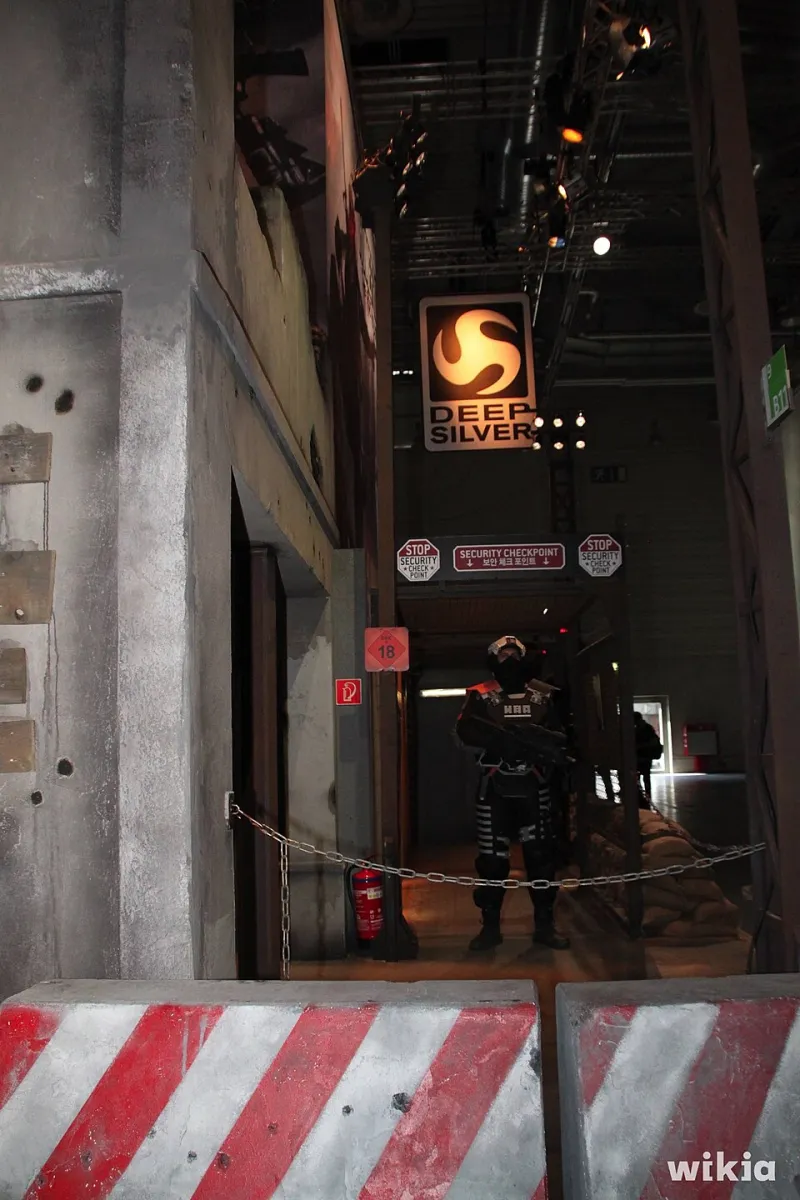
Photo: Tim Bartel from Cologne, Germany, CC BY-SA 2.0, via Wikimedia Commons
You know the feeling. You've just cleared a brutal gauntlet — three rooms of enemies, a puzzle that took you four attempts, and a miniboss that nearly ended you — and you can see the next checkpoint marker on the minimap. You're almost there. Then you die. And the game sends you back twenty minutes.
That moment wasn't an accident. Someone put that checkpoint where it is on purpose. Someone looked at your playthrough data, or their internal testing metrics, or their design philosophy document, and made a deliberate decision about how far you should have to travel before the game saves your progress. That decision was made for reasons that are not always aligned with your enjoyment.
The Architecture of Frustration
Checkpoint design is one of the least-discussed and most consequential decisions in game development. The placement of a save point affects pacing, tension, difficulty perception, and session length simultaneously. Get it right and players describe the game as challenging but fair. Get it wrong — or get it deliberately skewed — and you get the specific flavor of rage that drives people to throw controllers.
The variables are significant. How long is the average gap between checkpoints? What content sits between them? Is the hardest encounter right before the save or right after it? Are checkpoints hidden until you reach them, creating false hope, or visible in advance, creating a target? Each choice shapes how players experience time and risk — and some studios have been very deliberate about using those choices to serve goals that aren't about player enjoyment.
The Refund Window Problem
Here's the uncomfortable business context. On Steam, the refund policy allows returns on games played for less than two hours. On PlayStation and Xbox, refund policies are less generous but still exist. Game developers and publishers are aware of these windows. The question of whether checkpoint design is sometimes used to push players past refund eligibility — by making early progress feel meaningful and invested before the frustrating design elements emerge — is not a conspiracy theory. It's a documented concern that's been raised by consumer advocates and game critics for years.
The pattern is recognizable: the opening hours of a game are checkpoint-generous, the difficulty is accessible, and players feel good. Then, somewhere around the three-to-four hour mark, the checkpoint spacing stretches out, the difficulty spikes, and the frustration begins. By then, the refund window has closed. Whether this is intentional anti-consumer design or simply the natural result of games escalating in difficulty is genuinely hard to prove. But the correlation is consistent enough to be worth naming.
How Developers Defend Long Checkpoint Gaps
To be fair, there are legitimate design arguments for sparse checkpoints. Horror games use them to sustain dread — if you can save anywhere, the tension dissipates. Survival games use resource-based saving as a core mechanic. Games like Resident Evil have built entire design philosophies around the cost of saving, and those philosophies produce genuinely meaningful player decisions.
 Photo: Resident Evil, via static0.gamerantimages.com
The difference between intentional tension design and punitive checkpoint placement is usually legible if you look at what sits between the saves. If the gap between checkpoints contains interesting, varied content that rewards engagement, the long stretch is probably a design choice. If the gap is filled with repetitive enemy encounters and hallways you've already memorized, it's probably padding — and the checkpoint distance is doing work that actual content design should be doing instead.
The problem is that publishers don't have to disclose which one they're doing. Both look identical from the outside until you're already twenty hours in.
The Modders Fighting Back
This is where the quest-breaking community enters the picture. Across PC gaming, a growing network of modders has built unofficial checkpoint editors, save-state injectors, and quick-save tools for games that don't natively support them. The tools vary in sophistication — some are simple memory editors that write a save flag at any point in the game, others are full-featured utilities with UI overlays and hotkey support. But they share a common philosophy: the player should decide when the game saves, not the developer.
The community around these tools tends to frame the work in consumer rights terms. If you've paid for a game, the argument goes, you should be able to save it. The checkpoint system is a design choice, not a law. Modders who build these tools aren't trying to make games easier — many of them are experienced players who find the base games trivially manageable. They're making an argument about player autonomy: that the ability to save your progress is a basic feature that shouldn't be withheld as a tension-manufacturing mechanism.
Game studios tend to disagree, and some have actively patched out save-state tools, citing "unintended behavior" and "experience integrity." The irony of a studio citing experience integrity while defending checkpoint placement designed to extend session time is not lost on the modding community.
What Good Checkpoint Design Actually Looks Like
The studios that get this right tend to share a common approach: they use checkpoints to punctuate experience rather than extend it. A well-placed checkpoint arrives after a meaningful moment — a boss kill, a narrative beat, a puzzle solution — and feels like a natural breath. It doesn't feel like a reward for endurance. It feels like the game acknowledging that something just happened.
Hades, again, is instructive. The game's run-based structure means every death is a checkpoint by design — you return to the hub, you progress the narrative, you go again. There's no frustrating rollback because the structure doesn't allow for it. That's a design solution to the checkpoint problem, not a workaround.
God of War Ragnarök handles it well in a more traditional structure, placing autosaves generously and allowing manual saves at any time outside of combat. The game trusts players to manage their own time and doesn't use checkpoint scarcity as a tension tool. The tension comes from the design.
The Takeaway
Checkpoint placement is not a neutral technical decision. It is a design choice with psychological and commercial implications, and players deserve to think about it critically rather than accepting frustration as an inherent feature of challenging games. When a game sends you back twenty minutes because you died once, that's a choice. It might be a good choice. It might be a bad one. It might be a business one.
The modders building save-state tools aren't cheating. They're asking a reasonable question: who does this game belong to once you've paid for it? And they're not waiting for the industry to answer.