
Across at least seven major RPGs released in the past two years, players have stumbled onto the same impossible discovery: skip the right fights, and the game's economy breaks wide open. Not through traditional exploits or glitches, but through a design oversight so fundamental that it's appearing in titles from completely different studios, using different engines, built by teams who've never spoken to each other.
The pattern is always the same. Players who meticulously avoid specific optional boss encounters—not by accident, but through deliberate route planning—find themselves with access to endgame vendors that should only unlock after completing the main story. These merchants sell top-tier equipment, rare crafting materials, and consumables that trivialize the entire progression curve. The catch? Most players never see them because the unlock conditions are so counterintuitive that they read like a fever dream.
The Discovery That Started Everything
The phenomenon first gained widespread attention through speedrunner "GearSkip87," who was attempting a boss-avoidance run of Crimson Realms when they noticed something impossible. After carefully routing around twelve optional encounters—including some hidden so well that most players never find them—a previously empty merchant stall in the starting town suddenly populated with legendary weapons.
 Photo: Crimson Realms, via opensea.io
"I thought it was a bug," GearSkip87 explained in the Discord server that's become the de facto research hub for this community. "Then I tested it five more times. Same result. Skip exactly these bosses, in this exact order, and suddenly you can buy gear that's supposed to drop from the final raid."
What makes this discovery particularly unsettling is that Crimson Realms wasn't the first game where this happened. Players began comparing notes and found similar patterns in Shadowlands Chronicle, Nexus Gate, and even the recently released Eternal Vanguard. Each game featured different bosses, different vendors, different items—but the same underlying logic error.
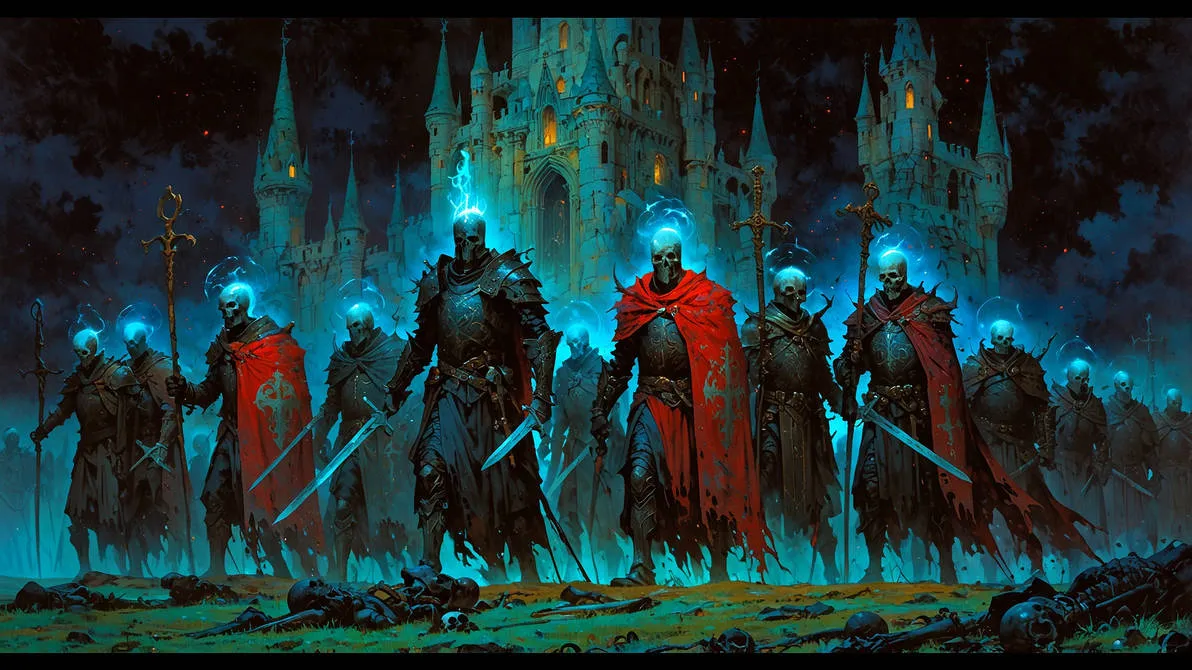 Photo: Eternal Vanguard, via images-wixmp-ed30a86b8c4ca887773594c2.wixmp.com
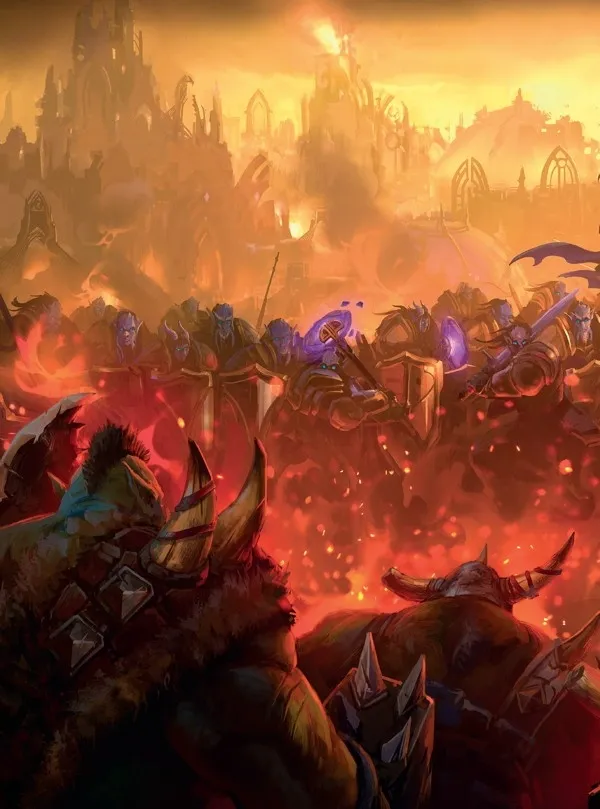 Photo: Shadowlands Chronicle, via wow.zamimg.com
The Pattern Behind the Chaos
After months of community research, a clear pattern has emerged. In each affected game, the progression system appears to track "completion states" for optional content in ways that create unintended boolean logic chains. When certain optional bosses remain undefeated, the game's merchant unlock system interprets this as a different kind of completion—one that assumes the player has already progressed far beyond where they actually are.
"It's like the code is checking 'if player hasn't done X, Y, and Z, they must have done everything else,'" explains data miner "MemoryHawk," who's been reverse-engineering these systems. "The developers probably intended this as a failsafe for players who might miss optional content, but they accidentally created a backdoor that assumes non-engagement equals mastery."
The most documented case involves Shadowlands Chronicle, where avoiding three specific world bosses—the Thornwood Behemoth, Crystal Sentinel, and Void Stalker—causes the Ethereal Merchant in the hub town to stock items from the game's hidden postgame dungeon. Players can purchase weapons with damage values that won't be matched by normal progression for another 40 hours of gameplay.
Why Developers Keep Making the Same Mistake
The recurring nature of this oversight points to a fundamental issue in how modern RPG progression systems are architected. Multiple industry sources, speaking on condition of anonymity, suggest that many studios use similar middleware solutions for tracking player progress—solutions that apparently share the same logical blind spot.
"There's a difference between testing completion and testing engagement," explains one senior gameplay programmer who's worked on several affected titles. "Most QA processes focus on whether content works when accessed, not whether avoiding it creates unintended consequences elsewhere in the system."
The problem is compounded by the way modern games handle optional content. With dozens or hundreds of optional encounters spread across massive open worlds, it's virtually impossible for traditional testing to catch every permutation of what players might skip.
The Underground Economy
What started as a curiosity for speedrunners has evolved into a sophisticated underground economy. Players trade route information, timing guides, and "skip maps" that detail exactly which encounters to avoid and in what order. Some communities have developed elaborate spreadsheets tracking which vendor combinations are possible in each game.
"It's not about cheating," insists "RouteBreaker," who maintains the most comprehensive database of documented skip sequences. "It's about understanding systems that the developers accidentally shipped. We're not modifying anything—we're just playing the game in ways that reveal what's actually coded underneath."
The most extreme practitioners have turned vendor reset speedrunning into an art form, completing full playthroughs with endgame equipment obtained in the opening hours. Videos of players one-shotting mid-game bosses with weapons that shouldn't exist yet regularly rack up millions of views.
The Developer Response
Studio reactions have been mixed. Some developers have patched out the most egregious examples, while others have chosen to embrace them as "emergent features." The team behind Nexus Gate went so far as to add achievement tracking for players who discover vendor resets, officially acknowledging what was originally an accident.
"Players found something we didn't intend, but it doesn't break the game in a way that hurts anyone," said Nexus Gate director Maria Santos in a recent interview. "If anything, it rewards deep system knowledge and careful routing. That feels very much in the spirit of what we're trying to create."
Other studios have been less accommodating. The most recent patch for Eternal Vanguard specifically addressed "unintended merchant unlock states," though players report that new skip routes are being discovered faster than they can be patched.
The Future of Broken Systems
As this community continues to grow, they're beginning to influence how games are designed. Several upcoming RPGs have publicly acknowledged that they're building progression systems with vendor reset speedrunning in mind—either to prevent it entirely or to create intentional versions that won't feel like exploits.
"We're at a weird inflection point where accidental features are becoming deliberate design goals," observes game design researcher Dr. Jennifer Kim. "Players have essentially reverse-engineered a new genre of challenge run that developers never conceived of."
The vendor reset speedrunning community shows no signs of slowing down. With major RPG releases scheduled throughout 2024, they're already preparing day-one route attempts, ready to discover which progression systems will break next.
In a gaming landscape increasingly focused on intended player paths and carefully balanced progression curves, these communities serve as a reminder that the most interesting discoveries often come from playing games in ways their creators never imagined. Whether that's a bug or a feature depends entirely on your perspective.