The Dirty Little Secret Every RPG Player Knows
Let's be honest: you've done it. You're deep in a conversation with an NPC, you pick what seems like the obviously correct dialogue option, and suddenly they're calling you a monster and storming off. Your quest is broken, your reputation is tanked, and you're staring at an autosave that happened three seconds too late. So you reload that quicksave from two minutes ago and try again.
Congratulations. You're a save scummer. And despite what the purists tell you, you're actually playing these games the right way.
The Myth of "Authentic" RPG Experience
Somewhere along the way, the gaming community decided that save scumming — the practice of repeatedly reloading saves to achieve better outcomes — was somehow "cheating." That real RPG players should live with their mistakes, embrace the consequences, and push forward with whatever narrative carnage they've accidentally created.
This is complete nonsense.
RPGs aren't life simulators where you get one shot at everything. They're intricate systems built on thousands of variables, hidden flags, and RNG calculations that developers expect you to experiment with. The save system isn't there just for when you need to quit the game — it's a tool for exploration.
Save Scummers Are the Real System Masters
Here's what the anti-save-scum crowd doesn't understand: players who reload obsessively aren't taking shortcuts. They're conducting advanced research.
Take The Witcher 3's Gwent matches. Most players who lose a round just move on, maybe grumbling about bad luck. Save scummers reload and play the same opponent fifteen times, slowly realizing that the AI's card draws aren't actually random — they follow patterns based on your deck composition and previous moves. By the time they're done "cheating," they understand Gwent's underlying systems better than players who spent three times as long playing "authentically."
 Photo: The Witcher 3, via 4kwallpapers.com
Or consider Mass Effect's conversation system. Regular players make their Paragon or Renegade choice and live with it. Save scummers reload every major conversation, testing different approaches until they discover that some dialogue trees have hidden skill checks, that certain responses unlock entirely different quest branches, or that the game sometimes lies about which options lead where.
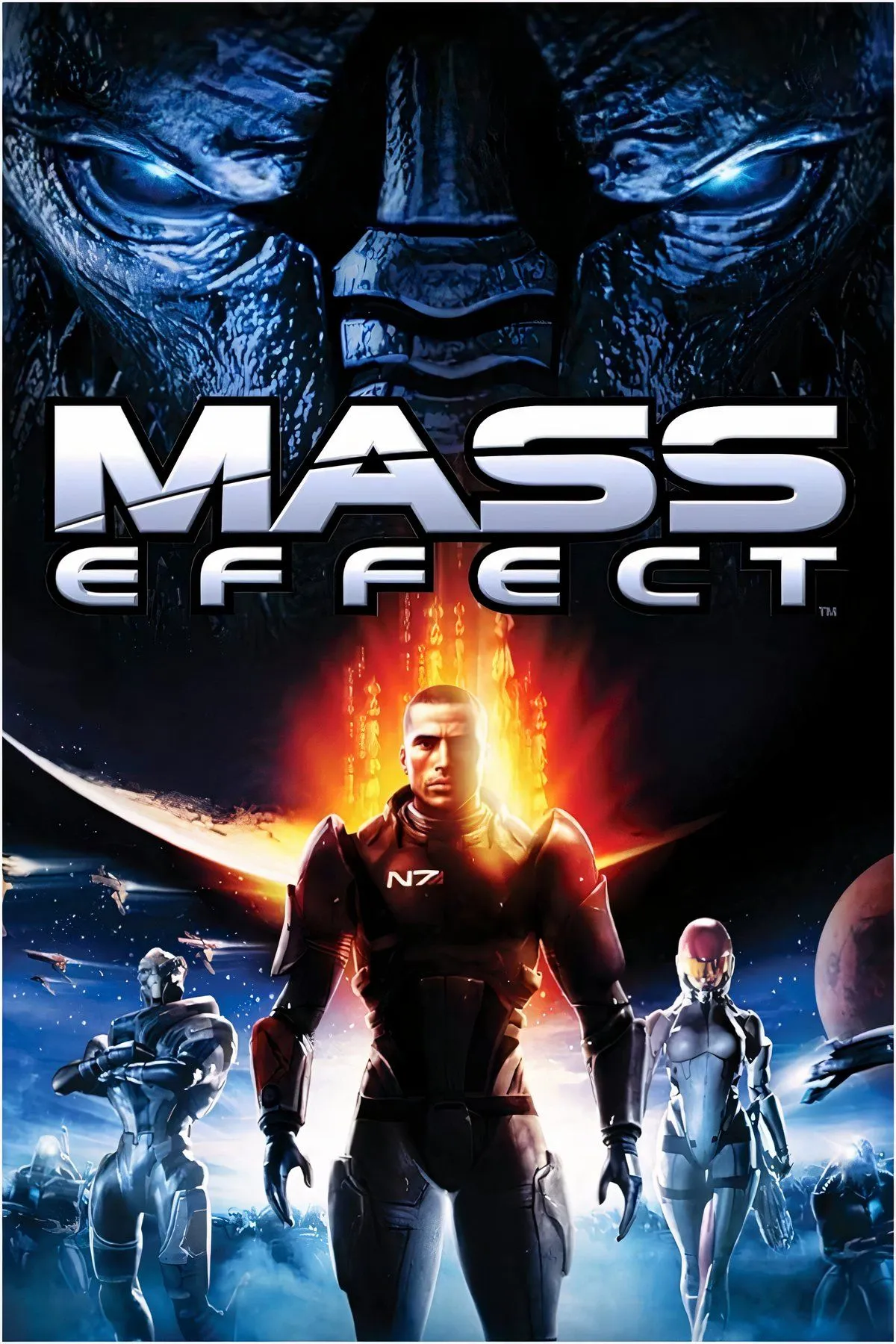 Photo: Mass Effect, via static0.gamerantimages.com
The RNG Revolution
Save scumming reveals something most RPG players never realize: almost everything in these games is negotiable.
Critical hit chances aren't just percentages — they're seeds that can be manipulated. Loot drops aren't truly random — they're calculated based on factors like your current inventory, recent actions, and even the time you spent in certain areas. NPC behavior isn't scripted — it's responsive to variables the game never explains.
Baldur's Gate 3 players who save scum their dice rolls aren't cheating the system — they're learning that the game's RNG can be influenced by party positioning, recent rest choices, and even conversation order. They discover that some "random" events are actually triggered by specific hidden conditions.
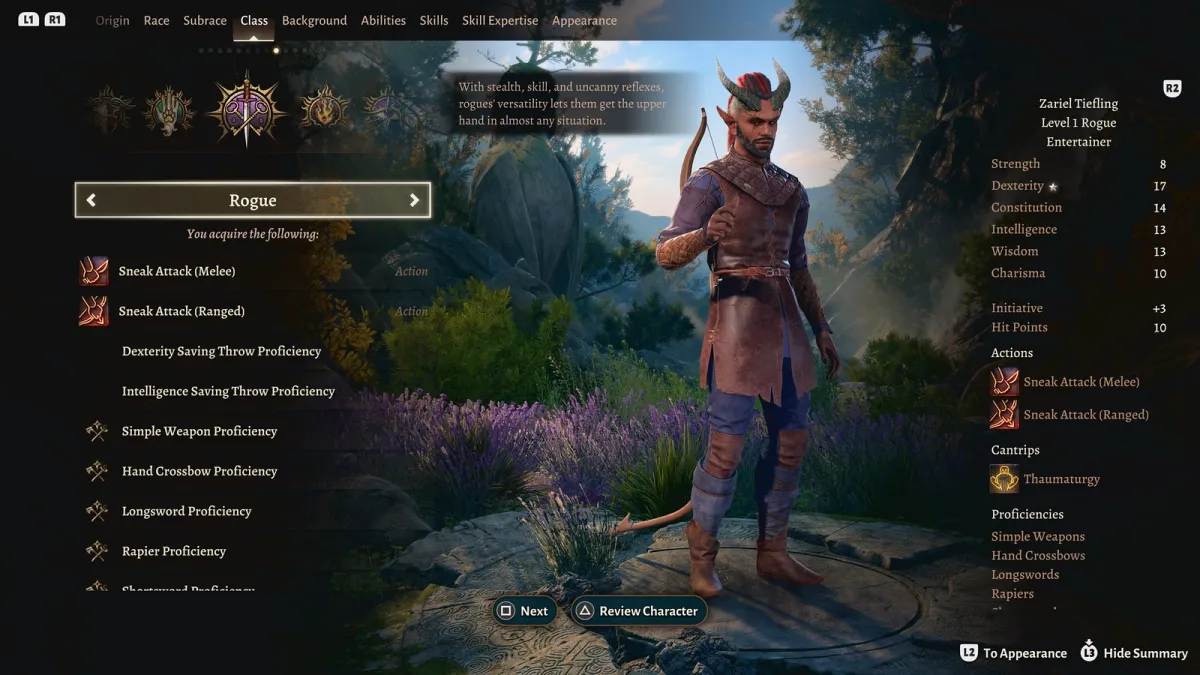 Photo: Baldur's Gate 3, via live.staticflickr.com
Cyberpunk 2077 save scummers figured out that the game's legendary item spawns follow complex algorithms based on your character level, street cred, and previous loot history. They learned to game the system not through exploits, but through understanding.
The Archaeological Approach
Save scumming is digital archaeology. Every reload is an excavation, every different outcome a new artifact revealing how these games actually work beneath their polished surfaces.
When you save scum a merchant's inventory refresh, you're not just hunting for better gear — you're learning about the game's economy simulation. When you reload to test different combat approaches, you're not avoiding difficulty — you're conducting controlled experiments on the AI's behavior patterns.
The players who mock save scumming as "save scamming" are missing the point entirely. They're tourists in these digital worlds, content to see only what the developers explicitly show them. Save scummers are explorers, pushing at boundaries and uncovering secrets.
The Developer's Dilemma
Here's the thing developers won't tell you: they design these games expecting you to save scum.
Why else would Disco Elysium show you the exact percentage chance of success for skill checks? Why would XCOM give you multiple save slots? Why would Divinity: Original Sin 2 let you quicksave mid-conversation?
These aren't concessions to weak-willed players. They're acknowledgments that the real game isn't just the story on the surface — it's the system underneath. The developers who spent years crafting intricate mechanical relationships want you to discover them, even if it takes dozens of reloads.
The Competitive Edge
In multiplayer RPGs or games with leaderboards, save scumming obviously doesn't apply. But in single-player experiences, the only person you're competing against is the game itself. And the game is holding back information.
Every RPG has hidden mechanics it never explains. Relationship systems with invisible point values. Crafting recipes that only trigger under specific conditions. Quest outcomes that depend on factors you couldn't possibly know about on your first playthrough.
Save scummers don't just play these games — they reverse-engineer them. They turn entertainment software into research subjects, uncovering design decisions and mechanical relationships that would otherwise remain buried in the code.
Embrace the Reload
The next time someone dismisses save scumming as "not playing the game properly," ask them this: who understands an RPG better? The player who experienced one branching path and moved on, or the player who explored every possible permutation of a crucial story moment?
Who has truly mastered the combat system: the player who won fights with their first strategy, or the player who tested dozens of approaches until they understood exactly how damage calculations, AI priorities, and environmental interactions work together?
Save scumming isn't the coward's way out — it's the scholar's approach to game mastery. And in a medium built on systems, mechanics, and hidden variables, maybe it's time we stopped pretending that ignorance is somehow more noble than understanding.
The save button is there for a reason. Use it like you mean it.