
You're 40 hours into your favorite RPG when you realize it: that side quest you meant to finish, that area you planned to explore, that character you wanted to romance — they're all gone forever. No warning. No confirmation dialog. Just a story progression that quietly slammed the door on entire chunks of content you'll never see again without starting over.
Welcome to gaming's most frustrating design philosophy: the point of no return that never tells you it's coming.
The Invisible Walls We Never See Coming
Unlike the obvious "Are you sure you want to enter the final area?" prompts, these content locks happen during seemingly normal story beats. You walk through a door, trigger a cutscene, or make a dialogue choice, and suddenly entire questlines vanish from your journal without explanation.
Persona 5 remains the most notorious example. The game's calendar system creates dozens of invisible deadlines where confidant storylines, social stats, and even entire dungeons become permanently inaccessible. Miss Futaba's deadline by a single day? You're locked out of her romance route and crucial stat bonuses for the remaining 60+ hours of gameplay. The game never tells you this is happening.
"I spent my first playthrough thinking I had all the time in the world," says longtime Persona fan Marcus Chen, who runs the optimization guide website PersonaBreaker. "Then I hit November and realized I'd missed half the confidants. The game actively punishes you for not following a guide."
When Story Progression Becomes Content Destruction
Final Fantasy VII Remake takes a different approach to the same problem. Certain materia, weapons, and side quests become completely unavailable once you progress past specific chapters. Chapter 8's slums? Gone forever after you climb the plate. Those weapon upgrade materials you meant to farm? Hope you got them before the story moved on.
 Photo: Final Fantasy VII Remake, via image.api.playstation.com
The most egregious example might be Dragon Age: The Veilguard, where entire companion questlines can be permanently severed by making the "wrong" story choice in seemingly unrelated main missions. Players have documented over 30 different points where progression locks away content, often with no logical connection to the narrative decision that triggered it.
"It's like the game is actively working against completionists," explains speedrunner and content creator Sarah "QuestHunter" Rodriguez. "You're punished for engaging with the story at a normal pace instead of following some invisible optimization path the developers never explained."
The Psychology Behind the Lock
Why do developers build these systems? The official line usually involves "narrative weight" and "meaningful consequences," but industry veterans point to more practical concerns.
"It's often a memory management issue disguised as design philosophy," reveals former BioWare developer James Mitchell, who worked on Dragon Age: Origins. "Keeping all those quest states and area data loaded becomes expensive. It's easier to just delete them and call it 'realistic consequences.'"
The calendar system in games like Persona serves another purpose: artificial replay value. By making it impossible to see everything in one playthrough, developers guarantee that completionists will start over, inflating playtime statistics and engagement metrics.
The Community Fights Back
Player communities have responded by reverse-engineering these systems with surgical precision. Wiki pages now feature color-coded flowcharts showing exactly when each piece of content becomes unavailable. Guides with titles like "Complete This Before Chapter 7 Or You'll Regret It" have millions of views.
The most dedicated players have created "perfect run" spreadsheets that optimize every single day, conversation, and story beat to maximize content access. These guides often require frame-perfect timing and knowledge of systems the game never explains.
"I shouldn't need a PhD in game mechanics to experience the content I paid for," argues longtime RPG player David Kim, who maintains several optimization guides. "When your game requires a 50-page walkthrough just to avoid missing stuff, you've failed at user experience design."
The Double-Edged Sword of Choice
Some developers argue these systems create meaningful weight to player decisions. When choices have permanent consequences, they theoretically feel more impactful. The problem arises when players don't realize they're making a consequential choice until it's too late.
The Witcher 3 handles this balance better than most, clearly telegraphing when major story decisions will have lasting consequences. Other games bury these moments in routine dialogue or disguise them as normal progression.
Breaking the Pattern
A few recent releases have started pushing back against this trend. Baldur's Gate 3 allows players to revisit most areas and maintains access to companion quests even after major story beats. When content does become unavailable, the game usually provides clear warnings.
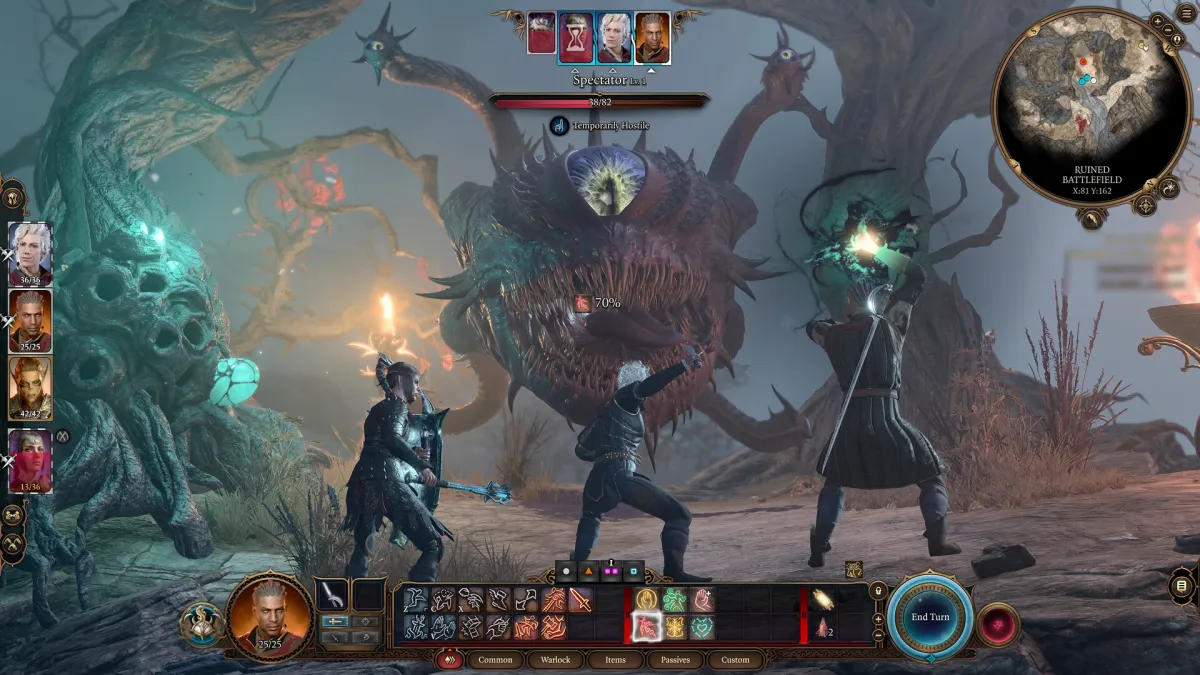 Photo: Baldur's Gate 3, via shared.fastly.steamstatic.com
"Players should feel empowered to explore at their own pace," argues Larian Studios' writing team. "The story should enhance exploration, not punish it."
The Completionist's Dilemma
For players who want to experience everything a game offers, these hidden locks create an impossible choice: play naturally and miss content, or follow guides that spoil surprises and turn gameplay into homework.
The rise of New Game Plus modes in recent years represents a partial solution, allowing players to carry progress between runs. But this still requires multiple full playthroughs to see content that could theoretically be accessible in a single run.
What Comes Next
As games become more complex and expensive to develop, the pressure to artificially extend playtime through missable content will likely continue. But player awareness is growing, and review scores increasingly reflect frustration with these systems.
The most player-friendly approach might be optional warnings — let completionists know when they're about to lose access to content, while allowing other players to proceed without interruption. Until then, we'll keep breaking these systems one perfectly optimized guide at a time.
Because in a medium built on player agency, the ultimate quest break might just be refusing to let developers decide what we're allowed to experience.