
The Safety Net Becomes the Exploit
Modern game design has embraced accessibility like never before. Developers implement newcomer protection systems, invincibility windows, and guided-mode buffs to ensure new players don't bounce off their games within the first hour. But there's an unintended consequence brewing in the speedrunning and exploit communities: these very safety nets are becoming the most powerful tools for breaking games wide open.
The phenomenon has a name in certain circles — "tutorial terrorism." Players deliberately trigger new player protections, then carry those advantages deep into endgame content where they were never meant to exist. The results are game-breaking in the most literal sense.
How the Protection Racket Works
The mechanics vary by game, but the core principle remains consistent. Most modern RPGs and live-service titles implement some form of newcomer protection that kicks in when the game detects struggling players. This might manifest as temporary damage reduction, enhanced loot drops, or even brief invincibility windows during boss encounters.
The exploit community has reverse-engineered these systems with surgical precision. In titles like Elden Ring and Destiny 2, players have discovered that certain tutorial zones never properly "turn off" their protection states. By manipulating save files, network connections, or simply knowing which areas to revisit, players can maintain these buffed states indefinitely.
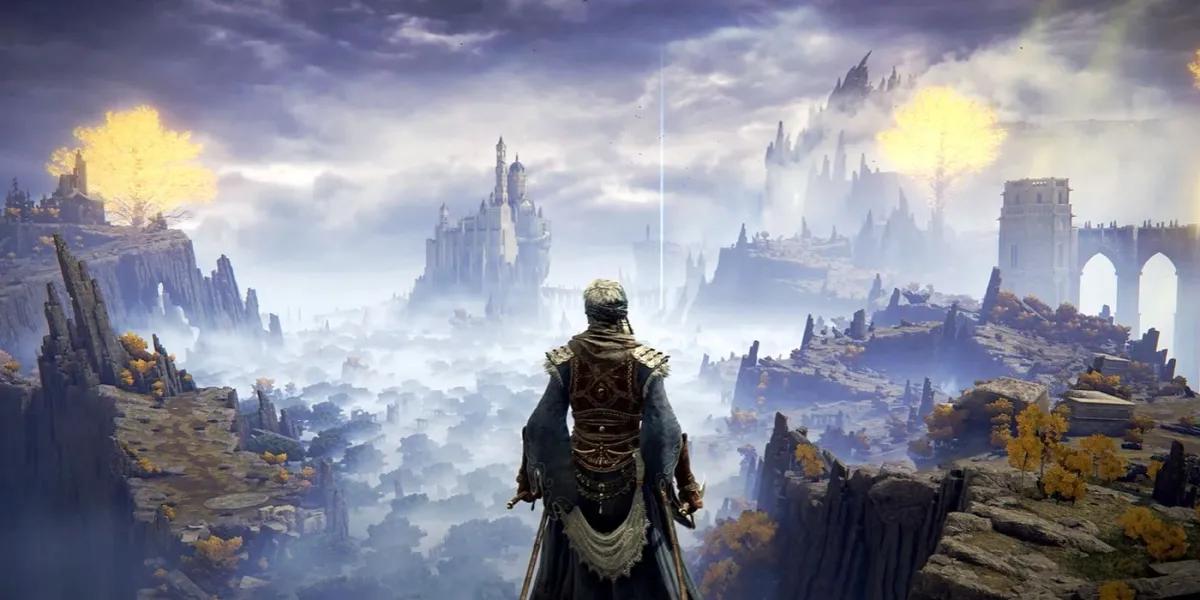 Photo: Elden Ring, via static1.cbrimages.com
Take the recent discovery in Diablo IV. Players found that the game's "Struggling Player" flag — designed to boost loot quality for players dying repeatedly — could be maintained through specific logout sequences. Veterans were deliberately dying in early zones, triggering the protection, then carrying that enhanced loot multiplier into Nightmare dungeons where legendary drops became practically guaranteed.
The Accessibility Paradox
What makes this trend particularly fascinating is how it highlights the complexity of modern accessibility design. These systems weren't created as Easter eggs or intended exploits — they're genuine attempts to make games more welcoming. But the same algorithmic detection that identifies a struggling newcomer can be fooled by a veteran who knows exactly which buttons to push.
Consider Cyberpunk 2077's "Assisted Targeting" feature, introduced in the 2.0 update to help players struggling with the game's gunplay. The system provides subtle aim assistance and damage bonuses when it detects repeated failures. Speedrunners quickly discovered that by deliberately missing shots in specific patterns, they could maintain this assistance indefinitely — turning what should be a temporary helping hand into a permanent damage multiplier.
The Developer Response Dilemma
Game developers find themselves in an impossible position. Patch out these exploits too aggressively, and you risk breaking the very accessibility features they're built on. Leave them alone, and you create a two-tiered system where knowledge of exploits becomes mandatory for competitive play.
Some studios have embraced the chaos. Digital Extremes, developers of Warframe, have openly acknowledged that their newbie protection systems create "interesting emergent gameplay" when exploited by veterans. Others, like Bungie with Destiny 2, have implemented increasingly sophisticated detection systems to differentiate between genuine newcomers and exploit hunters.
The Tutorial Terrorist Playbook
The most effective tutorial exploits share common characteristics. They typically involve:
State Persistence: Finding ways to maintain tutorial-level protections beyond their intended scope. This might involve specific save/load sequences, network manipulation, or exploiting transitions between game areas.
Flag Manipulation: Understanding how games track player progress and skill level, then deliberately triggering the flags that activate newcomer protections. This often involves intentional failure in controlled circumstances.
Zone Confusion: Exploiting areas where the game can't properly determine whether the player should still be considered a newcomer. Tutorial zones that can be revisited, or areas where multiple progression systems overlap.
When Protection Becomes Progression
Perhaps the most extreme example comes from Final Fantasy XIV, where players discovered that the game's "New Adventurer" status could be maintained through careful management of story progression flags. This status provides experience bonuses, enhanced loot drops, and access to special mentor systems. Veterans have created detailed guides for maintaining this status while accessing endgame content — essentially remaining "new" players with hundreds of hours of experience.
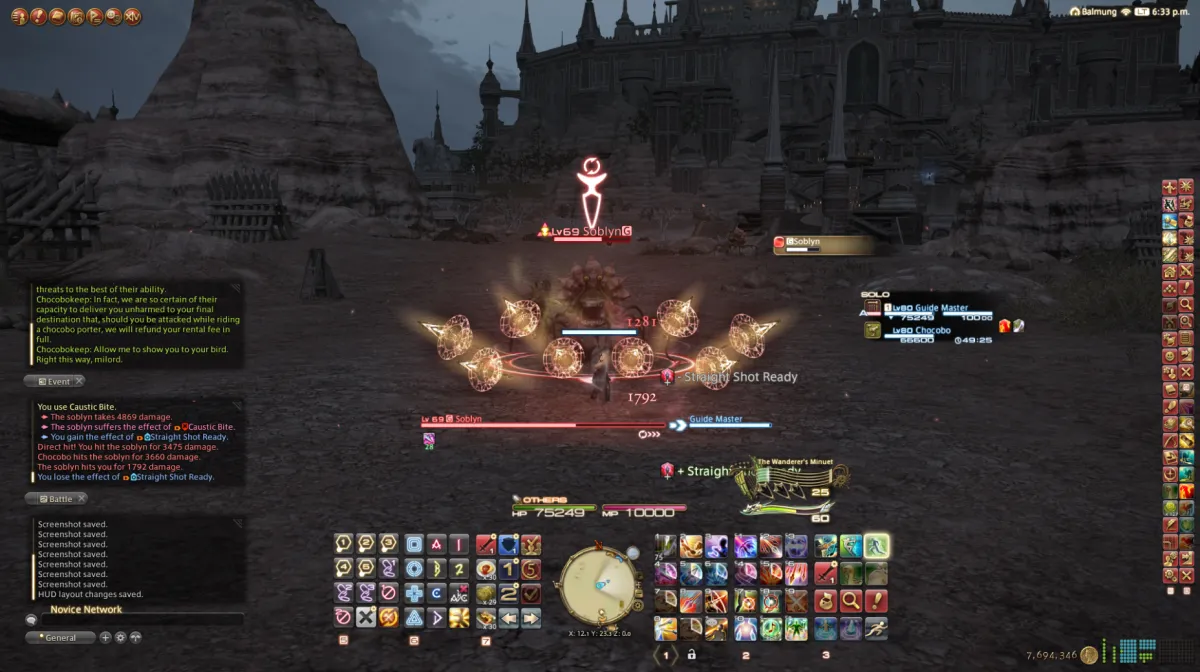 Photo: Final Fantasy XIV, via lds-img.finalfantasyxiv.com
The community around these exploits has developed its own terminology and culture. "Tutorial tourists" are players who deliberately restart characters to exploit early-game protections. "Safety net speedruns" are runs that rely entirely on exploiting newcomer protections rather than traditional routing or execution skills.
The Unintended Metagame
What's emerged is an entirely unintended metagame around understanding and exploiting accessibility systems. Players share detailed breakdowns of how different games implement newcomer protection, creating databases of exploitable states and the precise conditions needed to trigger them.
This has created a strange inversion of traditional game difficulty. In many cases, the "hardest" way to play a game — requiring the most knowledge and execution — is to deliberately appear as a struggling newcomer while actually being a veteran player gaming the system.
The Future of Foolproof Systems
As these exploits become more widely known, developers are implementing increasingly sophisticated countermeasures. Machine learning algorithms now attempt to distinguish between genuine struggle and deliberate exploitation. Biometric analysis of input patterns, play session analysis, and even social graph data are being used to verify player authenticity.
But for every countermeasure, the exploit community adapts. The arms race between accessibility design and exploit prevention has become one of the most technically sophisticated aspects of modern game development.
Breaking the Tutorial, Owning the Story
The tutorial exploit phenomenon represents something larger than just clever players finding unintended advantages. It highlights how the most well-intentioned design decisions can create entirely new forms of gameplay when viewed through the lens of systematic exploitation.
These aren't traditional cheats or hacks — they're exploitations of empathy itself, turning the game's desire to help struggling players into a weapon for those who need no help at all. In a strange way, tutorial terrorists have become the ultimate expression of player agency: using the game's own compassion against itself to create experiences the developers never imagined.
The question isn't whether these exploits will be patched out — it's whether the next generation of accessibility features will be designed with the knowledge that someone, somewhere, is already planning to break them in ways that would make their creators simultaneously proud and horrified.