While most players rush past minor NPCs with a quick button tap, a dedicated community of digital archaeologists is doing something far more methodical: they're breaking every conversation in gaming's biggest RPGs, one dialogue branch at a time. What they're finding buried in these forgotten exchanges isn't just flavor text—it's game-changing lore that completely recontextualizes entire franchises.
Meet the dialogue miners, and they're rewriting gaming history one conversation at a time.
The Underground Conversation Completionists
In the sprawling forums of Reddit's r/GameSecrets and specialized Discord servers, thousands of players have turned NPC conversation exhaustion into an art form. These aren't casual completionists hunting for achievement points—they're systematic researchers who've discovered that developers routinely bury their most explosive worldbuilding in the least accessible places.
"Most people think they've seen everything a game has to offer after finishing the main quest," explains Sarah Chen, a data analyst who's spent over 400 hours cataloguing every dialogue branch in The Witcher 3. "But the real story is always hiding in the conversations you'd never think to have."
 Photo: Sarah Chen, via is1-ssl.mzstatic.com
The process is painstaking. Dialogue miners create detailed spreadsheets tracking every NPC, every conversation state, and every possible player response combination. They reload saves dozens of times to explore alternate dialogue paths. They manipulate character stats, inventory items, and quest completion states to unlock hidden conversation options. What emerges is a parallel narrative that most developers never intended players to discover.
When Background Characters Break the Lore
The most explosive discoveries happen when minor NPCs contradict major plot points through throwaway lines buried deep in conversation trees. In Cyberpunk 2077, persistent dialogue miners discovered that a seemingly random bartender in Japantown possesses detailed knowledge about Johnny Silverhand's past that directly contradicts the main story's timeline—but only if players exhaust seventeen specific conversation branches while carrying particular items.
Similarly, Baldur's Gate 3 players uncovered that a minor merchant NPC in Act 1 references events from the game's ending—events that shouldn't be possible to know at that point in the timeline. The dialogue only triggers if players approach the character with specific party members after completing an obscure side quest most players never find.
"These aren't bugs," insists Marcus Rodriguez, who runs the largest dialogue mining community on Discord. "These are breadcrumbs left by individual developers who wanted to tell a bigger story but couldn't get it into the main narrative. The NPCs become their secret diary."
 Photo: Marcus Rodriguez, via www.oxy.edu
The Developer's Dilemma
Why do developers bury crucial lore in nearly inaccessible dialogue? Former BioWare writer Jennifer Walsh explains the creative tension: "You spend months crafting this intricate world with detailed histories and character motivations, but the main quest can only hold so much. The overflow goes into optional conversations, hoping the right players will find it."
The problem compounds when different team members contribute dialogue without perfect coordination. Environmental storytellers, quest designers, and narrative writers often work in parallel, creating overlapping but sometimes contradictory information. Minor NPCs become repositories for these creative conflicts.
"There's also the Easter egg factor," Walsh continues. "Writers love hiding references, in-jokes, and alternative interpretations in dialogue trees they assume only the most dedicated players will discover. Sometimes we get too clever for our own good."
The Tools of the Trade
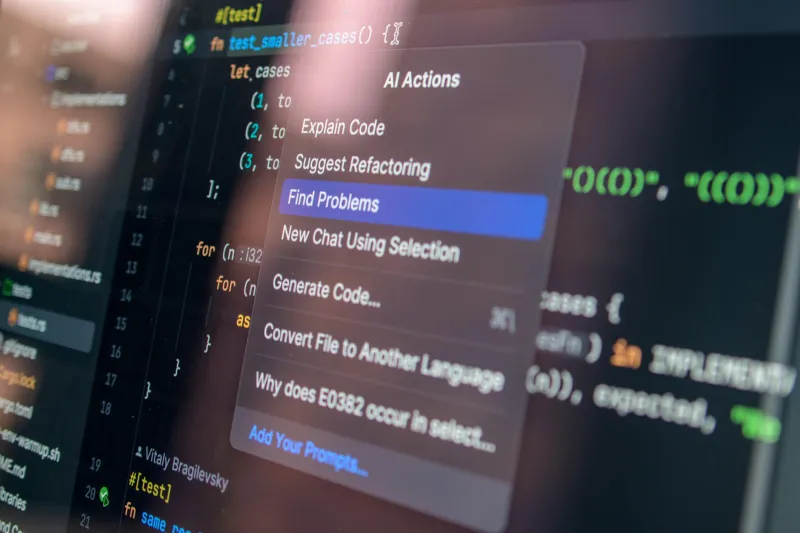
Dialogue mining has evolved far beyond manual conversation exhaustion. Dedicated communities now use data-mining tools to extract conversation files directly from game code, creating comprehensive databases of every possible dialogue combination. Popular tools like DialogueDB and ConvoMiner allow players to visualize entire conversation trees before ever talking to an NPC.
But the most valuable discoveries still require in-game detective work. Many crucial dialogue options only appear under specific conditions—particular character builds, story states, or even real-world timing. Some RPGs include dialogue that only triggers on specific dates or after precise sequences of player actions that developers never documented.
Breaking Games Through Conversation
The most dedicated dialogue miners have learned to exploit conversation systems in ways that break intended game flow. In Mass Effect Legendary Edition, players discovered they could manipulate Paragon/Renegade dialogue options to access ending variations that were supposedly locked behind major story decisions. The key was exhausting specific crew member conversations in a precise order across multiple playthroughs.
Other players have used dialogue manipulation to access cut content. By triggering specific conversation states, they've unlocked character interactions and story beats that developers removed from the final game but left buried in the code.
The Lore Revolution
What started as curiosity-driven exploration has become a legitimate form of gaming scholarship. Dialogue mining discoveries regularly force gaming communities to reconsider fundamental assumptions about beloved franchises. Fan wikis now include dedicated sections for "hidden dialogue lore," and some discoveries have even influenced official sequels when developers acknowledged fan interpretations.
"We're not just finding Easter eggs anymore," Chen explains. "We're uncovering the real creative intent behind these worlds. Sometimes the most honest version of a game's story is hiding in conversations with NPCs who were never supposed to matter."
The next time you encounter a random villager or shopkeeper in your favorite RPG, remember: they might just be the keeper of secrets that could change everything you thought you knew about the game world. The only question is whether you're patient enough to ask the right questions.
In the age of dialogue mining, every NPC is a potential whistleblower—and every conversation tree might be hiding the story developers really wanted to tell.