
The Clock You Never See Is Always Ticking
You boot up your favorite RPG, create your character, and settle in for a leisurely 100-hour adventure. You're planning to explore every nook and cranny, talk to every NPC, and savor the story at your own pace. What you don't realize is that the game just started a timer — and if you don't hit specific checkpoints by invisible deadlines, you've already locked yourself out of the best content forever.
Welcome to gaming's cruelest trick: the hidden countdown timer that punishes players for doing exactly what these games encourage — thorough exploration.
When Time Becomes Your Enemy
The most infamous example remains The Legend of Zelda: Majora's Mask, where the three-day cycle is at least transparent about its time pressure. But modern RPGs have evolved this concept into something far more insidious: timers you can't see, can't pause, and often can't even detect until it's too late.
Pathfinder: Wrath of the Righteous might look like a traditional turn-based RPG where you can take all the time in the world, but it's secretly tracking your every move through a complex "corruption" system. Spend too long on side quests in Act 2? Congratulations — you've just missed recruitment opportunities for two companions and locked yourself out of an entire romantic subplot. The game never tells you this is happening.
"I spent 80 hours on my first playthrough, thinking I was being thorough," explains longtime RPG player Sarah Chen from her Twitch stream. "Turns out I was being punished for the exact behavior the game seemed to reward. I missed three major questlines because I talked to too many NPCs in the wrong order."
The Baldur's Gate 3 Revelation
Baldur's Gate 3 initially appeared to buck this trend, positioning itself as the ultimate player-freedom RPG. Then players started comparing notes on Reddit and discovered something disturbing: the game tracks "approval decay" for companions you're not actively using in your party. Leave Gale at camp for too long while you adventure with others? His approval gradually drops, potentially locking you out of his romance path entirely.
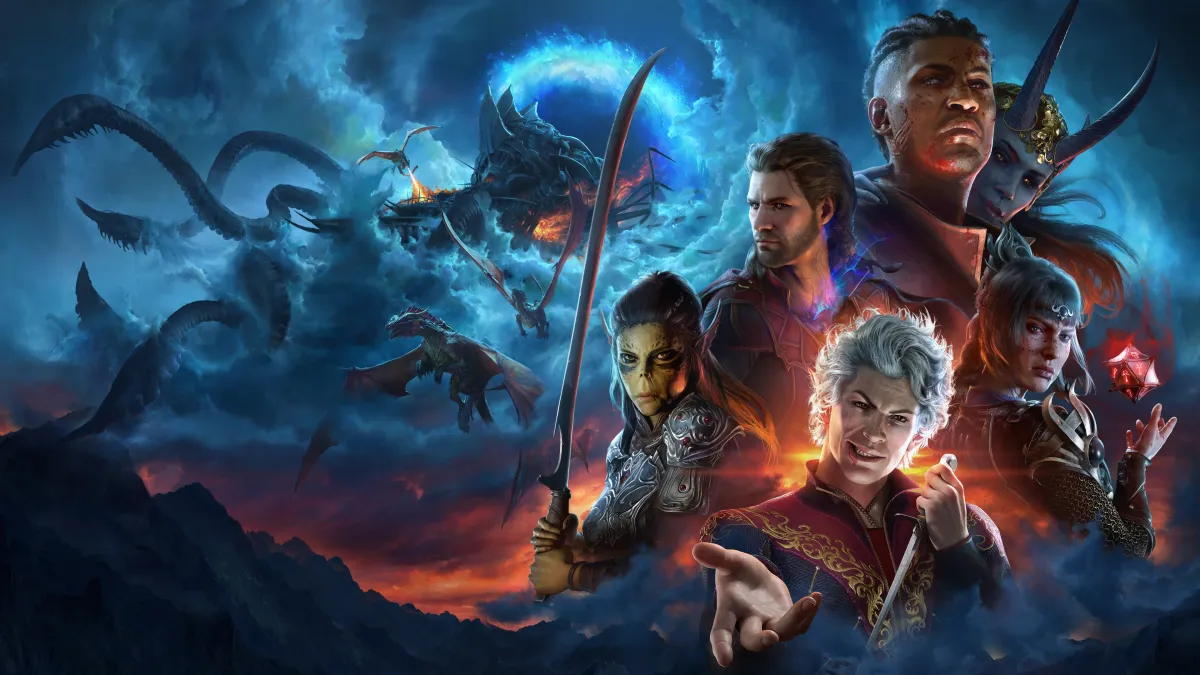 Photo: Baldur's Gate 3, via image.api.playstation.com
Even worse, certain story beats have hidden "points of no return" that aren't marked as such. Progress too far into Act 2 without completing specific Act 1 content, and entire questlines simply vanish from your journal. No warning, no explanation — they're just gone.
Dataminer Marcus Rodriguez discovered this by accident while examining save files: "The game maintains hundreds of hidden flags that change based on time elapsed, areas visited, and even dialogue choices you made 20 hours ago. Players think they're making meaningful choices, but they're actually racing against invisible clocks they don't know exist."
The Psychology of Hidden Pressure
Game developers defend these systems as creating "meaningful consequences" and "realistic world progression." The reality is more complex. These hidden timers create a specific type of anxiety that transforms relaxing exploration into a constant fear of missing out.
Disco Elysium uses this brilliantly, with its in-game clock creating genuine tension around Kim's patience and the murder investigation's urgency. But games like Fire Emblem: Three Houses weaponize it, where your choice of weekend activities during the school phase permanently affects which students you can recruit — information the game never clearly communicates.
"It's psychological manipulation," argues game designer Jennifer Walsh, who worked on several major RPGs before going indie. "These systems train players to rush through content they paid to experience slowly. We're creating FOMO in single-player games."
The Worst Offenders
Persona 5 Royal might be the most egregious example. The calendar system seems straightforward — you have until a certain date to complete each dungeon. What the game doesn't tell you is that confidant relationships have optimal timing windows. Start a romance arc too late, and you literally cannot complete it before the story forces you into the endgame.
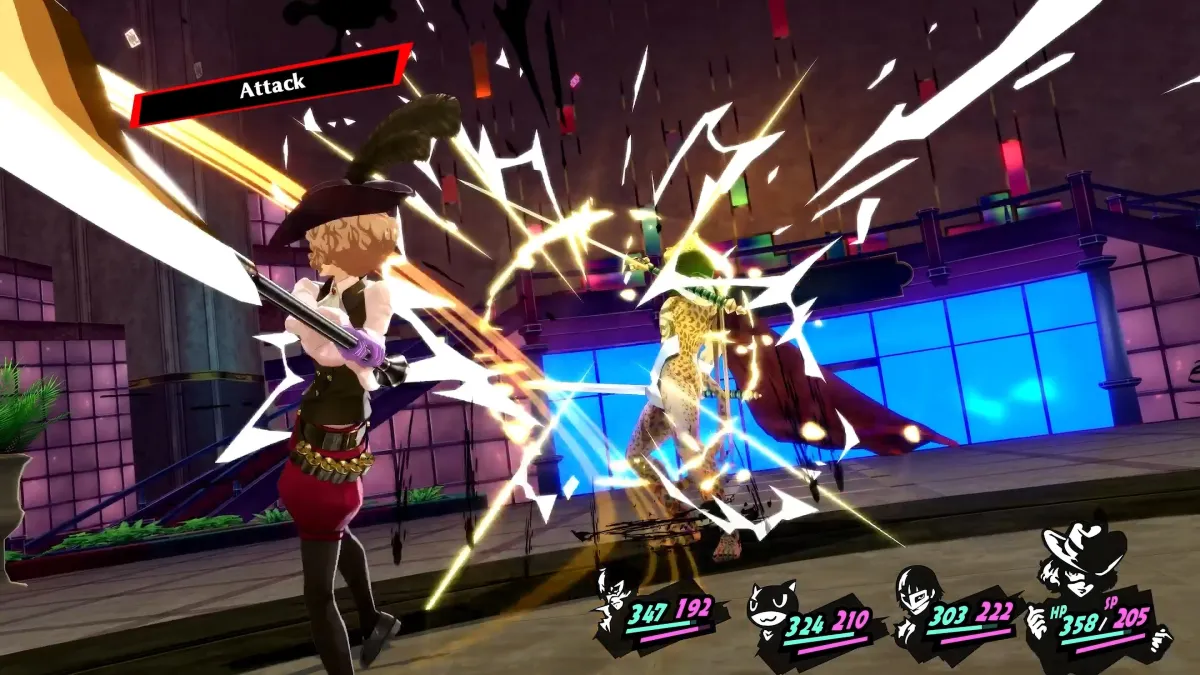 Photo: Persona 5 Royal, via image.api.playstation.com
Meanwhile, The Witcher 3 hides relationship consequences behind seemingly innocent dialogue timing. Take too long to find Ciri, and certain characters will reference your "delays" in ways that permanently alter their opinion of Geralt. The game presents this as natural storytelling, but it's really punishing players for engaging with side content.
Breaking the Invisible Chains
So how do you beat games that are secretly working against you? The speedrunning community has developed strategies that casual players can adapt:
Save Early, Save Often: Create multiple save files at major story beats, not just before boss fights.
Research Critical Paths: Sites like GameFAQs often have "missable content" guides that reveal these hidden systems.
Embrace the Second Playthrough: Accept that your first run will miss content, and plan accordingly.
The Future of Fair Play
Some developers are starting to push back against these predatory design patterns. Hades and The Stanley Parable: Ultra Deluxe both feature content that's designed to be discovered across multiple playthroughs, but they're transparent about this expectation.
"Players should know the rules of the game they're playing," argues accessibility consultant David Park. "Hidden timers aren't difficulty — they're just bad communication design."
The most player-friendly games are starting to include "point of no return" warnings or optional timer displays. It's a small change that could revolutionize how we experience story-driven games.
Until then, remember: in the world of invisible timers, the most dangerous assumption is that you have time to waste.