
The Ultimate Power Fantasy Reversal
Picture this: you're standing at the edge of the arena, watching your AI companion methodically dismantle the final boss while you sip virtual coffee and occasionally offer moral support. What sounds like a fever dream has become reality for a dedicated community of players who've mastered the art of companion manipulation across some of gaming's biggest titles.
This isn't speedrunning in the traditional sense, nor is it your typical exploit. It's something far more elegant — a complete reversal of the power fantasy where the player becomes the questgiver, and the NPCs become unwitting heroes of their own story.
The Pioneers of Proxy Violence
The phenomenon first gained widespread attention when Reddit user "CompanionCommander" posted a 47-minute video of Shadowheart soloing the final boss in Baldur's Gate 3 while their character stood safely behind cover, occasionally tossing a healing potion. The technique exploited a combination of aggro manipulation, positioning tricks, and what the community now calls "responsibility displacement."
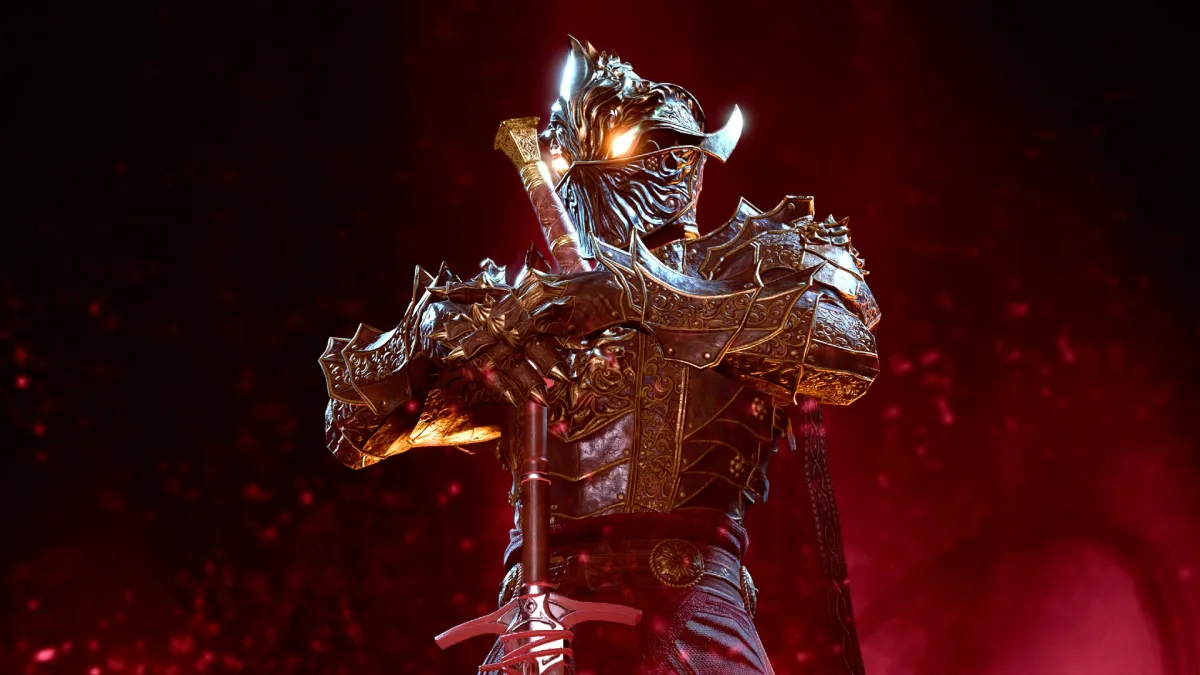 Photo: Baldur's Gate 3, via www.pcgamesn.com
"I started noticing that if you position yourself just right and let your companion take the first hit, the boss AI treats them as the primary threat," CompanionCommander explains via Discord. "From there, it's just about managing the fight without drawing aggro back to yourself. The companion does all the work, and you're basically their support staff."
The video sparked a movement. Within weeks, similar techniques were being documented across dozens of major releases. Players discovered that Aloy's AI companions in Horizon Forbidden West could be manipulated into taking down Thunderjaws solo. Mass Effect Legendary Edition speedrunners found ways to make Garrus and Wrex handle entire boss encounters while Shepard provided tactical support from a safe distance.
 Photo: Mass Effect Legendary Edition, via static0.gamerantimages.com
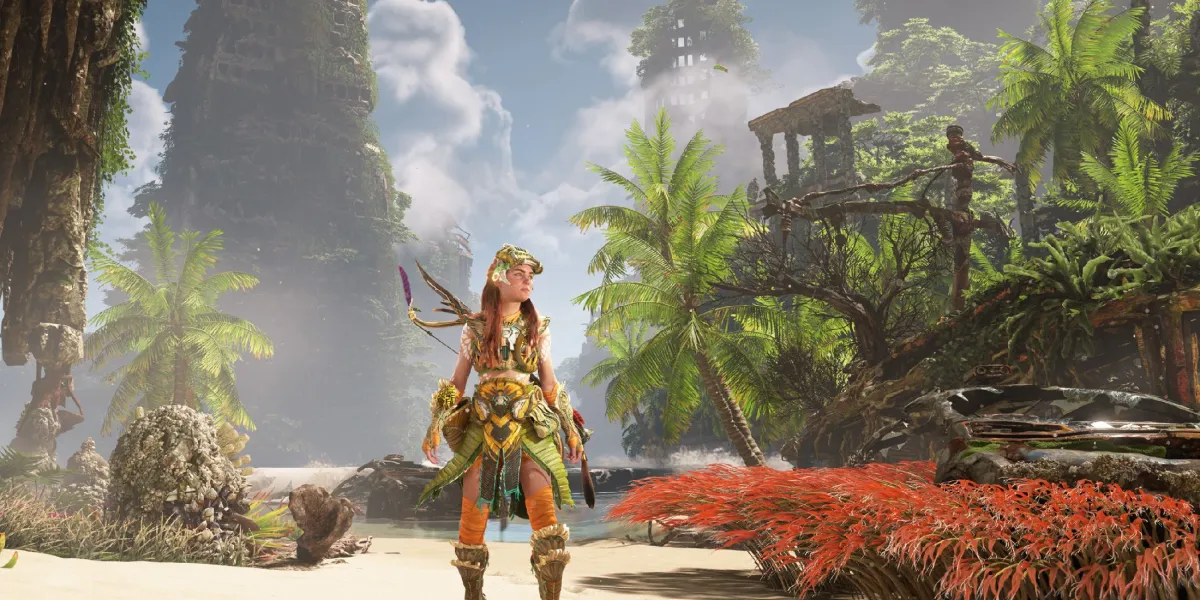 Photo: Horizon Forbidden West, via static0.gamerantimages.com
The Science of Aggro Engineering
What makes these techniques possible isn't random luck — it's a deep understanding of how modern AI systems prioritize threats and manage combat states. Most companion AIs are designed with robust combat capabilities to prevent them from becoming liabilities, but this same robustness can be weaponized by clever players.
"Modern companion AI has to be competent enough that players don't get frustrated when their allies die constantly," explains former BioWare developer Sarah Chen, who worked on companion systems for Dragon Age: Inquisition. "But that competence creates opportunities for exploitation that we didn't always anticipate."
The core technique revolves around what players call "aggro anchoring." By carefully managing positioning, damage output, and healing priorities, skilled practitioners can ensure that boss AI systems lock onto companions as primary threats. Once anchored, most boss AIs won't switch targets unless the original threat is eliminated or the player dramatically escalates their own threat level.
The Methodology Behind the Madness
The techniques vary by game, but successful companion manipulation typically involves three key phases:
Phase One: The Setup Players position themselves at maximum range while ensuring their companion is between them and the boss. Critical positioning often requires frame-perfect timing and intimate knowledge of arena layouts.
Phase Two: The Handoff The companion is encouraged to engage first, usually through careful ability timing or environmental manipulation. Some players use consumables or buffs to temporarily boost companion damage output, making them more attractive targets for boss AI.
Phase Three: The Support Role Once aggro is anchored, the player switches to pure support — healing, buffing, and occasionally repositioning without drawing threat. The most skilled practitioners can maintain this state for entire encounters.
When NPCs Become the Heroes
What's fascinating about this phenomenon isn't just the technical execution — it's the complete narrative inversion it creates. In traditional boss encounters, companions exist to support the player's heroic moment. But in these manipulated fights, the player becomes the support character in their companion's story.
"There's something deeply satisfying about watching Karlach absolutely demolish a boss while I'm just cheering from the sidelines," says Twitch streamer "BossBreaker_Jen," who has documented companion manipulation techniques across over 20 different games. "It's like I'm the quest NPC who hired the real hero to solve my problems."
This role reversal has spawned an entire subgenre of content creation. YouTube channels dedicated to "companion carry" runs have accumulated millions of views, with creators developing increasingly elaborate scenarios where AI allies handle progressively more challenging content.
Developer Response: Bug or Feature?
The industry's response to companion manipulation has been surprisingly mixed. While some studios have patched the most egregious examples, others seem content to let players experiment with their AI systems.
"We've seen the videos, and honestly, we're impressed," says Larian Studios' community manager in a recent forum post addressing Baldur's Gate 3 companion exploits. "If players can convince Shadowheart to solo Bhaal, maybe she deserved the spotlight all along."
Not every developer shares this philosophy. Recent patches to Horizon Forbidden West and Mass Effect Legendary Edition have quietly adjusted aggro systems to make companion manipulation more difficult, though dedicated practitioners have already found workarounds.
The Ethics of Exploitation
The companion manipulation community has developed its own ethical framework around these techniques. Most practitioners distinguish between "pure companion carries" — where the companion does 100% of the damage — and "assisted carries" where the player provides minimal support.
"There's definitely a purity test in the community," explains CompanionCommander. "If you're casting buffs or dealing damage, you're not really letting the companion be the hero. The goal is complete role reversal."
Some argue that companion manipulation represents the ultimate expression of tactical gameplay — using every tool available to achieve victory through unconventional means. Others contend that it undermines the intended experience and trivializes challenging content.
The Future of Friendly Fire
As AI systems become more sophisticated, the opportunities for companion manipulation are likely to evolve. Machine learning-based companion AIs might eventually become too unpredictable to manipulate consistently, or they might develop entirely new vulnerabilities that current techniques can't exploit.
What seems certain is that as long as games include competent AI companions, players will find ways to turn them into unwitting protagonists of their own adventures.
For a community built around breaking quests and owning stories, watching an AI companion solo the final boss while you provide moral support might just be the ultimate expression of player agency — even when that agency involves giving up control entirely.