
When Friendship Becomes a Liability
In the world of modern RPGs, building positive relationships with your companions has always been the obvious path. Max out those affinity meters, unlock romantic storylines, and watch as your party becomes an unstoppable force of friendship and cooperation. But there's a growing community of players who've discovered something developers probably hoped would remain hidden: sometimes, making your companions hate each other unlocks the game's most interesting content.
Welcome to the world of "rivalry builds" — deliberate character configurations designed to create maximum friction between party members. These aren't accidents or emergent behaviors; they're carefully engineered systems for unlocking dialogue trees, loot drops, and story branches that cooperative playthroughs never surface.
The Science of Digital Drama
The phenomenon started gaining traction in Baldur's Gate 3, where players noticed that certain companion combinations would trigger unique interactions if their relationship values fell into specific negative ranges. Not just "they don't like each other" — but precise mathematical hatred that unlocks entirely different conversation trees.
Take Shadowheart and Lae'zel, the game's most obvious rivalry pairing. Most players work to mediate their conflicts, but rivalry builders deliberately fan the flames. They've mapped out exact dialogue choices, quest decisions, and party positioning strategies that push both characters into what the community calls "productive hatred" — negative relationship values that trigger unique combat callouts, special camping conversations, and even alternative quest solutions.
But Baldur's Gate 3 was just the beginning. Players have since discovered similar systems in Dragon Age: The Veilguard, Starfield, and even Cyberpunk 2077. The pattern is consistent: developers implement these rivalry mechanics as flavor text and occasional story beats, never expecting players to optimize for maximum interpersonal dysfunction.
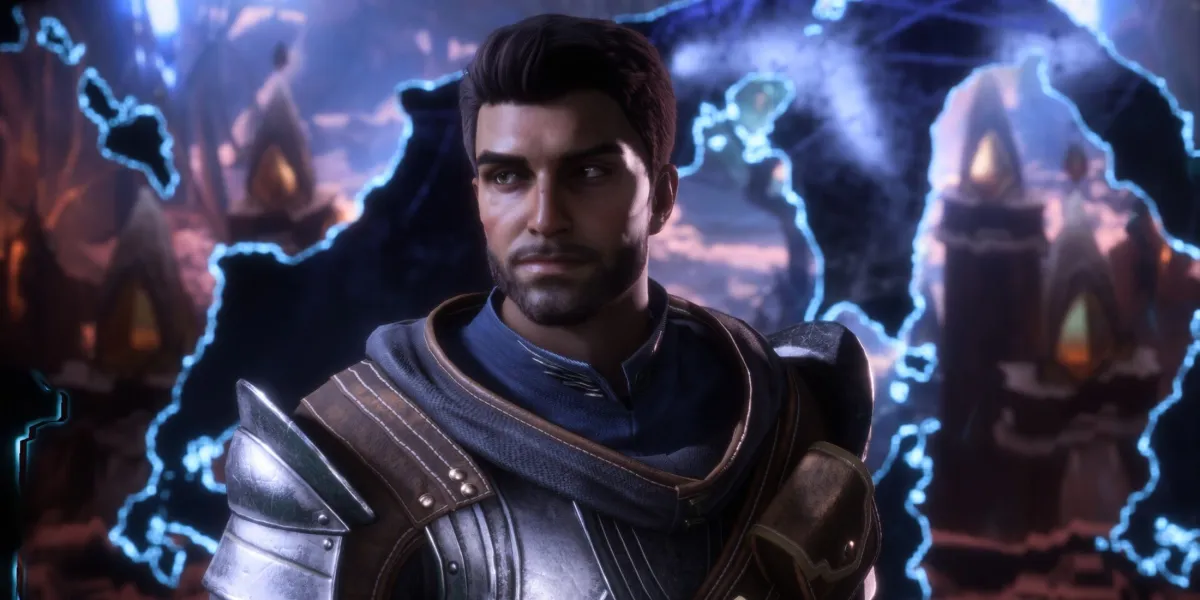 Photo: Dragon Age: The Veilguard, via static0.gamerantimages.com
The Rivalry Architect Community
The players driving this trend aren't casual gamers stumbling into accidental drama. They're systematic researchers who've reverse-engineered companion affinity systems with the dedication of academic scholars. Online communities like the "Dysfunction Guild" maintain detailed spreadsheets tracking relationship values, trigger conditions, and optimal party compositions for maximum conflict.
Their methodology is surprisingly sophisticated. Players use save file editors to precisely manipulate relationship values, testing exact thresholds where new content unlocks. They've created "rivalry calculators" that help other players engineer specific negative relationships while maintaining overall party functionality.
The most dedicated rivalry architects maintain multiple save files representing different "hatred profiles" — party configurations where specific pairs of companions despise each other in precisely calibrated ways. These builds often take longer to set up than traditional optimization builds, requiring careful management of dozens of variables across entire playthroughs.
Hidden Rewards for Manufactured Drama
The payoffs for these engineered rivalries go far beyond interesting dialogue. In Dragon Age: The Veilguard, players discovered that certain companion pairs unlock unique combination attacks when their relationship values are in specific negative ranges. These "spite synergies" often deal more damage than their positive counterparts, as characters channel their mutual hatred into devastating combat techniques.
Starfield takes this concept even further. The game's companion AI becomes more tactically aggressive when party members dislike each other, leading to emergent combat behaviors that cooperative parties never experience. Sarah Morgan and Barrett, when properly antagonized against each other, develop independent tactical approaches that can actually outperform coordinated strategies in certain encounter types.
Perhaps most surprisingly, these rivalry builds often unlock exclusive loot. Baldur's Gate 3 contains several items that only appear through specific negative companion interactions. The "Spite-Forged Blade," for instance, can only be crafted if Astarion and Gale reach maximum mutual hatred while both are present for a specific mid-game encounter.
The Psychology of Productive Hatred
What makes rivalry builds particularly fascinating is how they reveal hidden depth in companion AI systems. Developers clearly invested significant resources in creating realistic interpersonal conflict, complete with grudges that evolve over time, jealousies that affect combat performance, and resentments that unlock unique story paths.
These systems suggest that game writers understand something important about human relationships: conflict often reveals character in ways that harmony never can. The most interesting companion dialogue in many RPGs happens when characters are forced to work together despite fundamental disagreements.
Rivalry builders have become experts at identifying these pressure points. They know exactly which philosophical disagreements will drive wedges between specific characters, which quest outcomes will create lasting resentment, and which party compositions naturally generate the most productive drama.
Engineering the Perfect Storm
Creating effective rivalry builds requires understanding each game's specific relationship mechanics. In Mass Effect: Legendary Edition, players have discovered that certain companion combinations unlock unique Paragon/Renegade options when their loyalty values are in conflict ranges. The key is maintaining party functionality while maximizing interpersonal tension.
The most successful rivalry architects focus on "sustainable hatred" — negative relationships that remain stable rather than escalating to the point where companions leave the party entirely. This requires careful balance: enough conflict to unlock hidden content, but not so much that the game's safety mechanisms kick in.
Some games make this easier than others. Cyberpunk 2077's companion system is relatively forgiving, allowing players to maintain working relationships with characters who genuinely despise each other. Others, like Dragon Age titles, require more delicate manipulation to prevent permanent party member loss.
The Developer's Dilemma
From a development perspective, rivalry mechanics represent a fascinating design challenge. These systems require significant investment in writing, voice acting, and scripting for content that most players will never see. Yet their existence suggests that developers understand the value of interpersonal conflict as a storytelling tool.
Some studios have begun acknowledging the rivalry build community directly. Larian Studios has made several references to "advanced relationship mechanics" in Baldur's Gate 3 patch notes, seemingly addressing edge cases that only rivalry builders would encounter. BioWare has similarly hinted that Dragon Age: The Veilguard contains "hidden relationship paths" for players willing to explore unconventional party dynamics.
The Dark Side of Optimization
Not everyone in the gaming community appreciates rivalry builds. Critics argue that deliberately engineering companion conflict goes against the spirit of RPG storytelling, turning meaningful character relationships into mechanical optimizations. There's also concern that rivalry builds encourage toxic relationship dynamics, even in fictional contexts.
Rivalry builders counter that they're simply exploring all the content developers created. If games include sophisticated conflict mechanics, why shouldn't players experiment with them? They argue that rivalry builds often lead to more interesting storytelling than traditional "everyone loves everyone" approaches.
The Future of Functional Dysfunction
As rivalry builds gain popularity, developers are beginning to design with them in mind. Upcoming RPGs are reportedly including more sophisticated rivalry mechanics, with dedicated reward tracks for players who successfully manage conflicted parties.
This represents a significant shift in RPG design philosophy. Rather than treating companion conflict as something to be resolved, developers are beginning to see it as a valid playstyle with its own rewards and challenges.
Breaking Hearts, Building Power
The rivalry build phenomenon reveals something profound about modern RPG design: the most interesting content often lives in the spaces between traditional optimization paths. By deliberately engineering companion conflicts, players have uncovered an entirely parallel progression system that most developers probably hoped would remain hidden.
These aren't exploits in the traditional sense — they're sophisticated engagements with systems that developers built but never fully explored. Rivalry architects have become digital relationship therapists in reverse, understanding companion psychology well enough to engineer precise forms of productive dysfunction.
In the end, rivalry builds represent the ultimate expression of player agency: taking control not just of your character's story, but of the complex web of relationships that surrounds them. Sometimes the most interesting adventures happen when everyone in your party wishes they were anywhere else.